SolEdits combines science and innovation to support the potato industry move faster toward sustainability.
By using CRISPR technology, we create enhanced varieties with traits that improve resilience, quality, reduce chemical use, and future-proof production for generations to come.
We at SolEdits use the most modern technologies to introduce genetic variation in the potato variety of your choice.
With our transgene-free CRISPR pipeline EDITUM, we can introduce targeted mutations or knock-ins in genes to create healthier food and sustainable agriculture or industrial processes.
We can also be your valuable partner in research. By knocking out, knocking in or editing your gene of interest, we can develop your research material for gene function characterisation. As a partner in several national- and EU-funded projects, we bring the research closer to society.
How?
Advanced breeding
Using a transgene-free CRISPR/Cas9 technology we mimic natural systems to efficiently induce target mutations in your crops without the need of following cross-breeding. Giving you desired traits while still keeping other characters of the variety.
What?
Crop innovation
Improved quality, higher nutrition, food safety? Climate adaption, less waste, better resistance to diseases and pests? We can provide plants that have an array of enhanced valuable traits, ensuring more sustainable production systems. Have a gene you want to study? We can speed up the field of functional genomics.
Why?
Genetic variation
Whether naturally occurring or created through breeding technology, genetic variations are the foundation for crop improvement.
With the continual spread in many countries worldwide, the cyst nematode will, in a worst-case scenario, lead to severe or even complete loss in yield. This makes it an economically important disease to control. We are currently working on resistance against this root affecting pest in industrial-, table-, and starch varieties.
Improved starch
quality
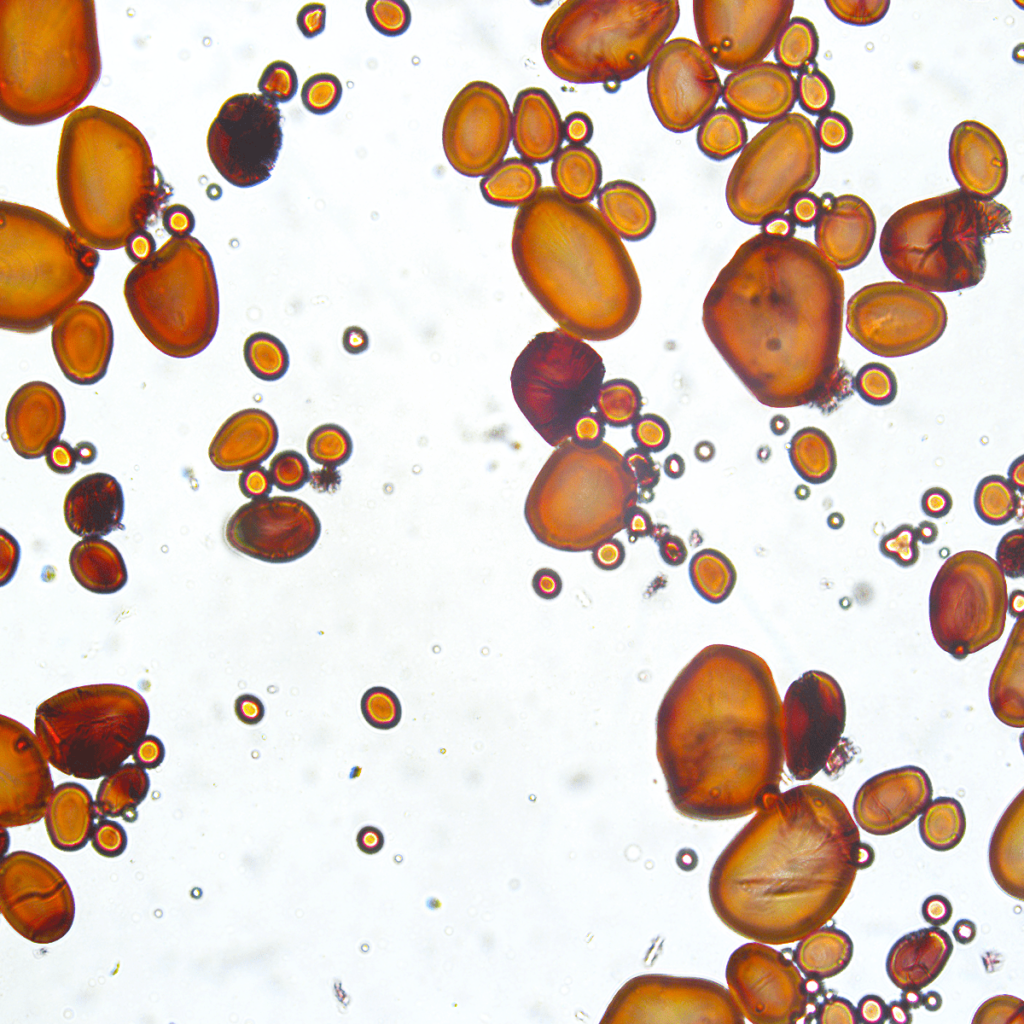
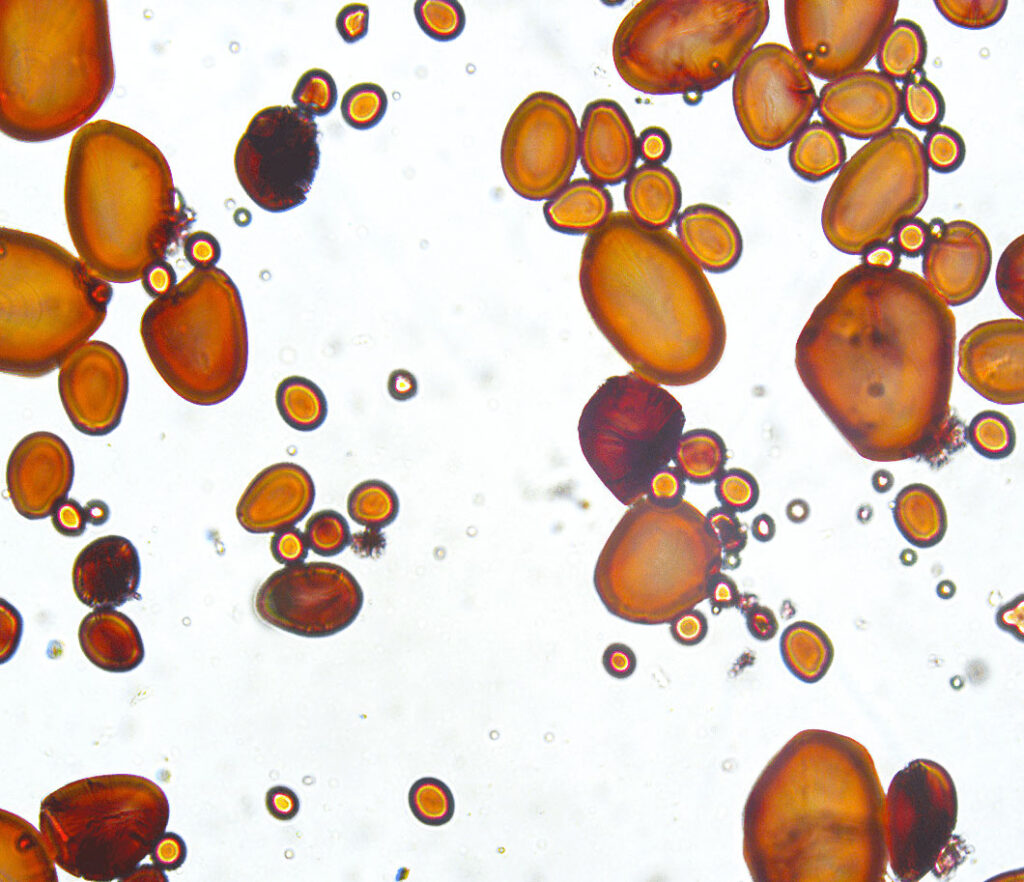
We created potato varieties with short-chain amylopectin, a starch that ensures storage stability in products. The starch will replace some chemically modified starches in both food and industrial products, saving 5000-6000 tonnes of chemicals and 0,5 Gwh energy per year in Sweden. Consumers can now enjoy the E-number free products they’ve so highly requested.
Late blight resistance
Late blight is the most devastating diseases for potato caused by the oomycete Phytophthora infestans. The deleterious outcome if a field gets infected is the major reason for a heavy use of fungicides in potato cultivation. We are working towards an increased tolerance to Phythophtora infections by editing relevant genes, including resistance and susceptibility genes.